Japanese Beer: History, Famous Brands, Types, Taste and Brewing Culture
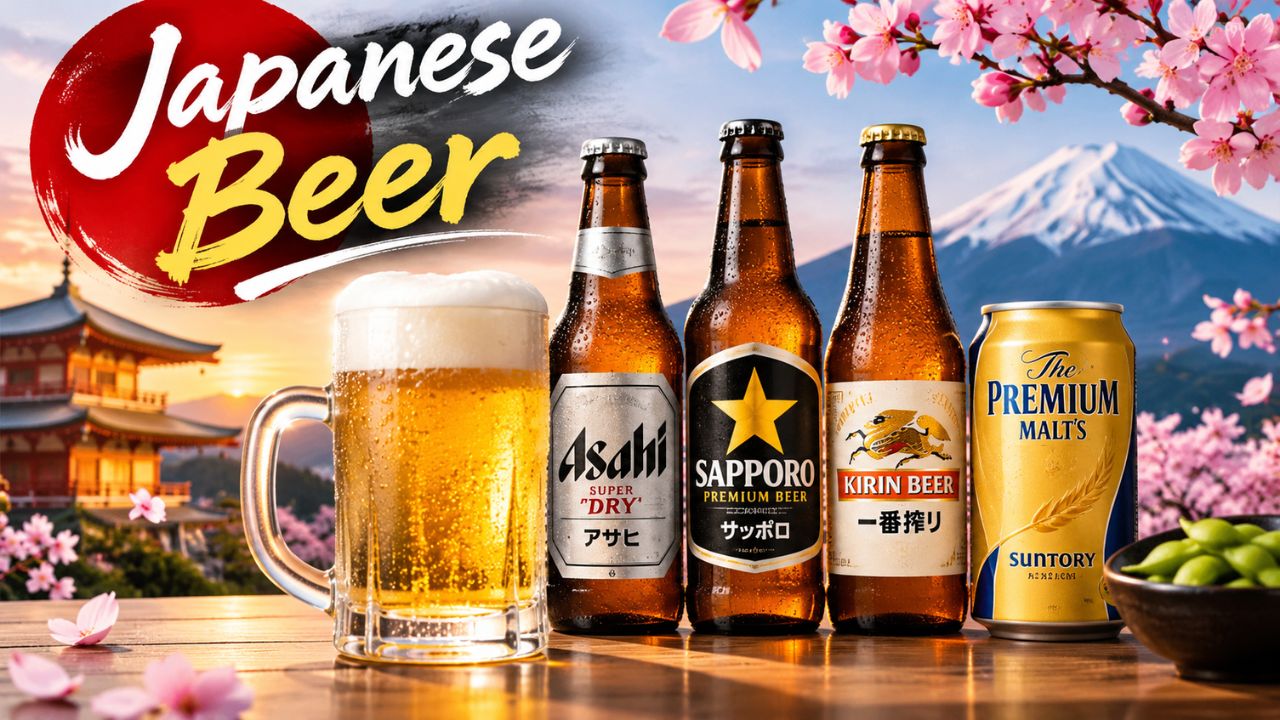
Beer from Japan is known for being very crisp, smooth, and having a high level of quality in how it was brewed. The beer industry in Japan has grown to be a large one that uses both traditional brewing methods and modern technology. There are many different types of beer available in Japan ranging from large international brands to small independent breweries.
In addition to the popular connection between Japanese beer and its food culture, social customs, and the rise of craft brewing, many individuals associate Japanese beer with crisp lagers, balanced flavor profiles, and a clean finish. However, the Japanese brewing industry provides a great deal of variety beyond what most people would consider “traditional” lagers.
History and Evolution of Japanese Beer
Japanese beer has been being produced for hundreds of years. During the Edo period, Dutch merchants brought beer into Japan via foreign trade. However, the first commercial brewery was established many decades later.
A major milestone happened in 1870, with the opening of Spring Valley Brewery by William Copeland in Yokohama. A second big event happened in 1876, with the creation of a state-funded brewery in Sapporo, Hokkaido.
During the Meiji era, Japan had been quickly adopting Western technology and industrial processes. Beer making was incorporated into the modernization of Japan, and many of the early breweries began to develop commercially viable products.
By the late nineteenth century, there was significant growth in domestic beer production. As new businesses began to compete within the market place, beer gradually became a favorite beverage for many people throughout Japan.
How Japanese Beer Is Brewed
The manner in which beer is produced has a great deal to do with how good it tastes and what kind of quality it has. Although each brewery uses their own unique recipe for producing beer, most traditional methods of making beer are based on a series of steps.
Ingredient Choice: The ingredients that brewers pick are water, malted barley, hops, and yeast. In addition, some recipes may include rice or other items for flavor.
Malting: The process of developing enzymes in barley to aid in converting starch to fermentable sugar.
Malted barley is combined with warm water so that sugar can be extracted from the barley to create a liquid called wort.
Boiling: The wort is boiled with hops to develop bitterness, flavour, and aroma.
Fermentation: Yeast converts fermentable sugars into alcohol and carbon dioxide.
Maturation: Beer is stored in an environment where temperature, humidity, and other factors are controlled for the purpose of developing its taste profile and improving its overall balance.
Filtration & Packaging: Beer can be filtered, carbonated, and packaged into bottles, cans, or kegs after being produced.
Japanese breweries pay great attention to having consistent production, clean facilities, and quality controls.
Popular Japanese Beer Brands
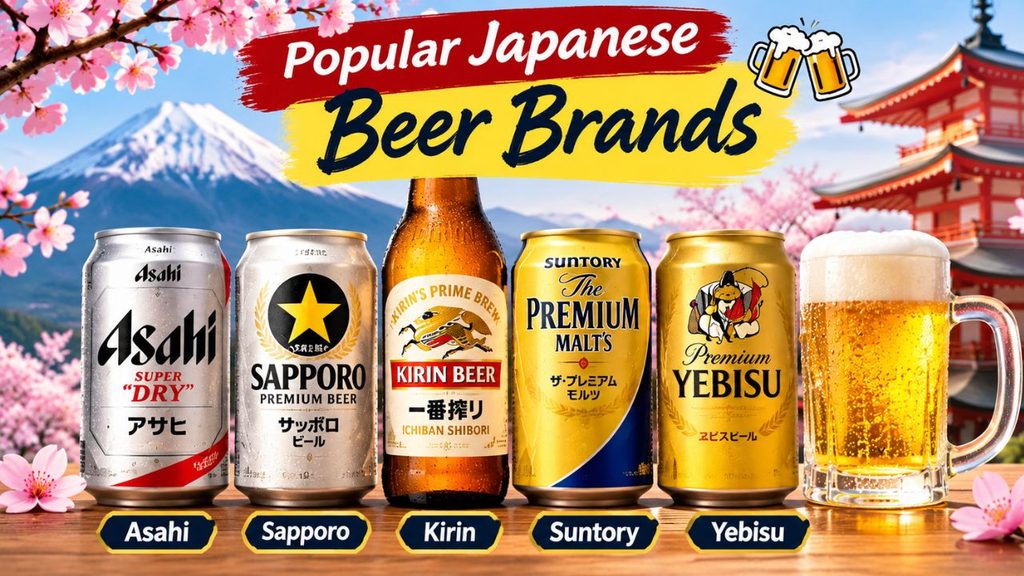
There are many well-known beer brands in Japan which have built a solid reputation in both the Japanese market as well as on an international scale. Every brand produces its own variety of beer and each has unique flavors.
Asahi Beer
Asahi is among the top recognized brands within the brewing sector of Japan. Super Dry, Asahi’s most popular brand, has gained widespread popularity due to its clean taste and refreshing aftertaste.
Asahi Super Dry first entered the market in 1987 and was instrumental in developing a strong consumer base for “dry” type beers throughout Japan. Typically, it is paired with sushi, seafood, grilled meats/vegetables, and deep-fried items.
Kirin Beer
The Kirin Brewery Company has been around for many years and is one of Japan’s largest breweries. One of the company’s most popular products is called Kirin Ichiban, which is very popular with people who drink beer.
The brand has been known to use a well-thought out brewing technique which produces a very evenly flavored product. Kirin produces several types of beer that will appeal to many people based on what they like.
Sapporo Beer
Sapporo is an example of one of the first established beer companies in Japan. Sapporo’s history began in 1876 with the start of beer production in Hokkaido.
The brand, Sapporo Premium, is known for being a refreshing drink with a good balance of bitter flavors and an unusual package. Additionally, the brand is now sold around the world and is accessible in numerous countries.
Suntory Beer
The major Japanese beverage company, Suntory, is also very well-known in the beer market.
The Premium Malt’s beer is recognized by its full-bodied malt flavor, soft mouth feel, and unique scent. The brewery uses up-to-date brewing techniques in combination with hand-picked components.
Yebisu Beer
Yebisu is linked to high quality Japanese brewing methods and age old beer production processes.
The company is well-liked for its malt-forward taste profile and easy-to-drink nature. The company has created a very recognizable image with its customers who seek out high-quality beer.
Different Types of Japanese Beer
Japanese brewers are producing various types of beer to accommodate shifting tastes among consumers. Lager continues to be the most common type of beer in Japan, but many smaller craft breweries have developed other options.
Japanese Lager
Japanese lager is one of the most popular types of beer in Japan. In general, it has a gold color, is lightweight, has a refreshing taste, and a clean finish.
The most common types of commercially available beer are made using the same method that most people use to make their own beer at home. This type of beer is great for drinking with food each day and is easily consumed.
Japanese Pale Ale
Pale ale has more apparent hop flavor than most other types of beer (such as traditional lagers). The hop flavors can include citrus, flower, fruit, and/or some bitterness depending upon the brewing recipe.
This style is particularly popular among craft beer enthusiasts.
Japanese Wheat Beer
The production of wheat beer uses both wheat and malted barley. Typically, wheat beer is smooth to drink and has a very refreshing flavor.
Other types of this variety provide a light fruity aroma with a touch of sweetness, which makes them ideal for individuals who want to avoid the intense bitter flavors.
Japanese Stout
A dark beer style called stout has been made using roasted malts. Some common taste characteristics of stout include coffee, chocolate, caramel, and toasted grain.
Japanese craft breweries produce different stout varieties with unique recipes.
Happoshu and Low-Malt Beer
Happoshu is a beer-like drink from Japan that has historically been made with less malt than conventional beers.
This was due to a large extent to Japan’s long-term tax on alcohol. Although it looks and tastes like beer, the ingredients and how they are classified differ.
Japanese Craft Beer
Craft beers are made by independent and regional breweries who create unique combinations of ingredients, brewing methods and flavors.
Some common types of beers are IPA, Porters, Stouts, Wheat Beers, Pale Ales and Seasonal Releases.
What Makes Japanese Beer Different from Other Beers?
The unique characteristics of Japanese beer (consistency, flavor balance, food pairing) have made it stand out from other types of beer.
Some important characteristics include:
- Refreshing taste: Many popular varieties have a crisp and clean finish.
- Balanced bitterness: Traditional lagers generally offer moderate bitterness.
- Major breweries have very high quality control standards for their production.
- Food compatibility: Many varieties pair well with Japanese meals and seafood.
- Japanese companies are still trying out new ways of making beer.
Because of these features, Japanese beer is now being well received by people outside of Japan.
Taste, Flavour and Ingredients Used in Japanese Beer
Beer produced in Japan has a flavor based upon the ingredients used to make it, how the beer is brewed, and the environment in which it was fermented.
Water, malted barley, hops, and yeast are the base components for most traditional beers. Breweries may also use additional ingredients such as rice or other adjuncts to produce a lighter tasting product.
Japanese lagers typically feature a subtle amount of sweetness from the malt used to brew them, a light and non-overpowering bitterness, and a clean, refreshing aftertaste. High-quality lagers will have more of the malty flavors that you find in lesser quality lagers; however, many craft brewers use hops to create beers with much stronger hop aroma and more interesting flavor profiles.
The serving temperature can have an effect on how you enjoy your meal. Beer is typically served cold in Japan, which makes it a nice way to cool off after eating a hot meal or when the weather is hot.
Japanese Craft Beer Culture and Regional Breweries
The growth of the Japanese craft beer industry can be traced back to 1994, after the licensing of breweries was changed, making it possible for smaller breweries to begin producing their own beers.
Small-scale beer makers were limited in what they could produce before this change. With the loosening of those limits, regional breweries and independent beer producers began to grow.
Today, many craft breweries are located in various areas of Japan. These breweries typically create unique drinks with local ingredients.
In order to develop tastes that are reflective of their own region’s traditions and tastes, many food manufacturers utilize a variety of Japanese citrus fruits, green tea, seasonal fruit, and regional herbs.
Tokyo, Osaka, Hokkaido, and other areas of Japan have established craft beer communities that include dedicated beer bars, microbreweries, and tasting rooms.
Traditional Japanese Drinking Culture and Izakaya Bars
An integral part of Japanese culture is beer. A common place for people to drink beer is at an izakaya, a casual restaurant/bar that serves drinks with small plates of food.
Friends, coworkers, and family members commonly go to izakayas (Japanese pubs) following their day at work or when attending social events.
In Japan, there’s a common phrase called Kanpai. This translates to “cheers” in English. It’s used by people who are about to drink with one another, and they typically say it while holding up their drinks.
Another well-known phrase that translates to “beer for now” is Toriaezu biru. This refers to the general practice of having a beer before anything else when drinking in a group.
Seasonal celebrations, beer gardens outside, and other social activities are all part of Japan’s drinking culture.
Best Japanese Beer and Food Pairings
Japanese beer is often enjoyed with foods that complement its flavour, carbonation, and bitterness.
Some popular combinations include:
| Japanese Food | Suitable Beer Style |
| Sushi and sashimi | Light Japanese lager |
| Tempura | Crisp lager |
| Yakitori | Japanese pale lager |
| Ramen | Refreshing lager |
| Fried chicken | Dry lager |
| Grilled seafood | Wheat beer |
| Barbecue dishes | Pale ale |
| Chocolate desserts | Stout |
Light lagers are particularly suitable for seafood because their refreshing character does not overpower delicate flavours.
People who enjoy stronger flavours may prefer pairing pale ales with grilled dishes or roasted foods.
How to Choose the Right Japanese Beer
Choosing the right Japanese beer depends on individual taste preferences.
Traditional Japanese lagers are an option for those who like light and refreshing tastes, while those who want to experience strong hops will likely be drawn to pale ales and IPAs.
Craft beer is also a possibility for those wanting to try different ingredients and different areas of brewing, while those who like stronger tasting beers can look into stouts or other types of dark beer.
Checking product labels for ingredients, alcohol content, and recommended servings is another step you can take.
Japanese Beer Prices and Availability
Japanese beer can be purchased at grocery stores, convenience stores, restaurants, specialty drink retailers, and online, if allowed.
Popular brands like Asahi, Kirin and Sapporo have been sold in other countries. The sale of these products is dependent upon each country’s laws regarding alcohol sales, as well as upon how each country handles the importation of goods.
Prices will depend on many different factors including but not limited to, the manufacturer, the size of the container, what type of product it is, and where you buy it. There are several categories of beer that are generally more expensive than other types. These include imported, high-quality, specialty craft beers.
Consumers must buy alcoholic beverages only from authorized retailers, and adhere to their community’s legal drinking age.
Interesting Facts About Japanese Beer
Here are some interesting facts about the Japanese brewing industry:
- Sapporo’s brewing history dates back to 1876.
- Spring Valley Brewery was established in Yokohama in 1870.
- Asahi Super Dry was introduced in 1987.
- Japan’s craft brewing industry expanded following regulatory changes in 1994.
- Kanpai is a commonly used Japanese expression for cheers.
- Japanese lagers are frequently paired with traditional food.
- Regional breweries experiment with locally available ingredients.
- Traditional Breweries and Independent Producers help shape Japan’s beer culture.
Is Japanese Beer Popular Around the World?
Japanese beers have become well-known globally due to exportation, global distribution channels, and an increasing appreciation for Japanese cuisine.
Many major brands have entered into new markets around the world including; Asia, Europe, North America, etc.
The growth in popularity of Japanese beer has been aided by the presence of Japanese restaurants. Many individuals who order sushi, ramen, tempura or any of the numerous types of Japanese cuisine are introduced to Japanese beer as an accompaniment to their meal.
The increasing popularity of craft beer worldwide has also drawn greater focus on the industry internationally. Craft beer producers from Japan have introduced unique flavors that attract consumers who want to try beers other than standard lagers.
FAQ About Japanese Beer
1.Which is the most popular Japanese beer?
Asahi Super Dry, Kirin Ichiban, and Sapporo Premium are among the best-known Japanese beer products. They are recognised for their established reputations and distinctive flavour profiles.
2. What does Japanese beer taste like?
Most mainstream varieties have a crisp, light, and refreshing taste. Some premium and craft varieties offer richer malt flavours, fruity aromas, or stronger bitterness.
3. Is Japanese beer different from regular beer?
Japanese beer uses familiar brewing ingredients and techniques, but many popular varieties focus on a clean finish, balanced flavour, and compatibility with food.
4. What is the oldest Japanese beer brand?
Sapporo is widely recognised as one of Japan’s oldest surviving beer brands, with its brewing history dating back to 1876.
5. What is happoshu?
Happoshu is a Japanese beer-like beverage traditionally produced with less malt than standard beer. It developed as an alternative within Japan’s distinctive beer taxation system.
6. Which Japanese beer goes well with sushi?
Light Japanese lagers are popular choices because their refreshing character complements the delicate flavours of sushi and seafood.
Final Thoughts on Japanese Beer
The history of Japanese beer is a reflection of the nation’s growth in industry, evolving customer preferences and love of quality brewing. There are many different types of beer available from Japan, including both traditional commercial breweries and new craft beer producers.
The success of brands such as Asahi, Kirin, Sapporo, Suntory, and Yebisu has given Japan an international name in the beverage industry. Smaller breweries are creating new and unique recipes along with regional specialties.
Exploring the world of Japanese beers offers an exciting way to discover the fascinating past of brewing in Japan, learn about the most popular beer companies in Japan, and explore how beer has played such a large role in shaping Japanese dining habits.
Read Also: Sugar Cookie Recipe || Types of Cake