Best Bottled Water: Top Brands, Types, Benefits, and Buying Guide
The right bottled water can help with your everyday hydration needs. There are many options when selecting the right brand, so picking the right one may take some time. You will want to look at how each brand stacks up against others in terms of flavor, quality, mineral content, convenience and cost. Some brands of bottled water have a smooth flavor, while other brands use naturally occurring minerals or have undergone further purification.
Drinking water, whether for your home, office, gym, traveling or participating in outdoor activities, is a very common need. There are several types of bottled water on the market today. Knowing about each type will allow you to make the best possible purchase decision. Don’t assume that a high-priced bottled water will automatically be healthier than a low-priced bottled water. The most important factors in determining if bottled water is safe to drink include; water quality, safety of the container used to package the water, proper storage of the packaged water and finally, what type of bottled water you prefer.
The focus of this guide is to examine the top selling brands of bottled water, evaluate the various types of water available, and provide guidance on which type of water may be best suited for your specific requirements.
What Is the Best Bottled Water?
The most effective way to choose a bottled water product is based upon three criteria: meeting applicable drinking-water quality standards; being pleasing to the consumer’s taste; and fitting into the consumer’s budget and lifestyle. There are many types of bottled water products available today that utilize varying types of water sources and purification processes, therefore it is essential for the consumer to check the product label.
While some individuals choose purified water for its clean and neutral flavor, others find mineral water preferable due to the presence of naturally occurring minerals. For those who desire carbonation, sparkling water is an alternative.
There isn’t a single brand of water that will be the right fit for each person. What would make the most sense for you depends upon: availability, water quality, personal preference regarding taste and if you would like to have still or sparkling water.
Best Bottled Water Brands to Consider
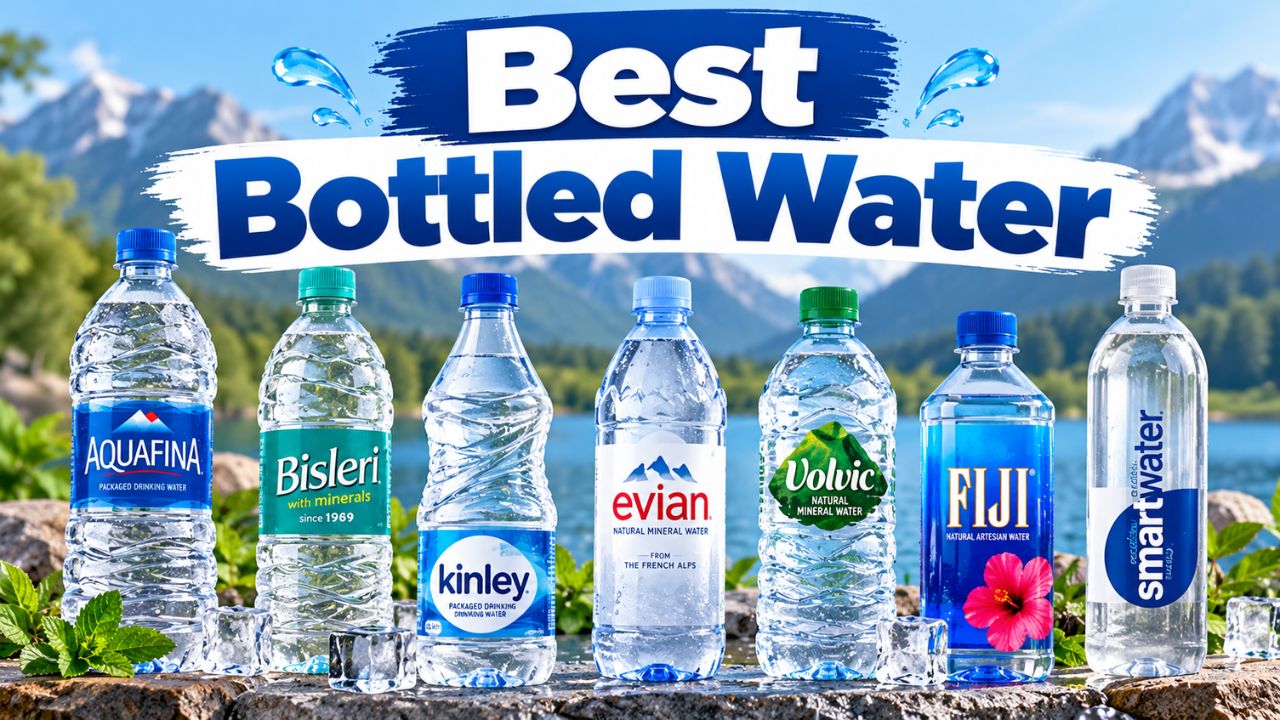
The following table highlights popular bottled water brands in different markets. Availability varies by country, and product formulations may differ by region.
| Bottled Water Brand | Common Type | Key Feature | Best For |
| Aquafina | Purified water | Clean, neutral taste | Everyday hydration |
| Dasani | Purified water | Mineral ingredients may be added for taste | Daily drinking |
| Evian | Natural mineral water | Naturally occurring minerals | People who prefer mineral water |
| Fiji Water | Artesian water | Distinctive mineral profile | Premium bottled water preferences |
| Smartwater | Vapor-distilled water | Electrolytes added for taste in many markets | People who prefer a light taste |
| Voss | Still and sparkling options | Premium packaging | Travel and special occasions |
| Bisleri | Packaged drinking water | Widely available in India | Everyday hydration in India |
| Kinley | Packaged drinking water | Convenient everyday option | Home, office, and travel |
| Himalayan | Natural mineral water | Mineral-water positioning | People seeking mineral water |
| Perrier | Sparkling mineral water | Carbonation and distinctive taste | People who enjoy sparkling water |
Note: These are examples, not a laboratory-tested ranking. Always check the current product label and local quality information before purchasing.
Types of Bottled Water Explained
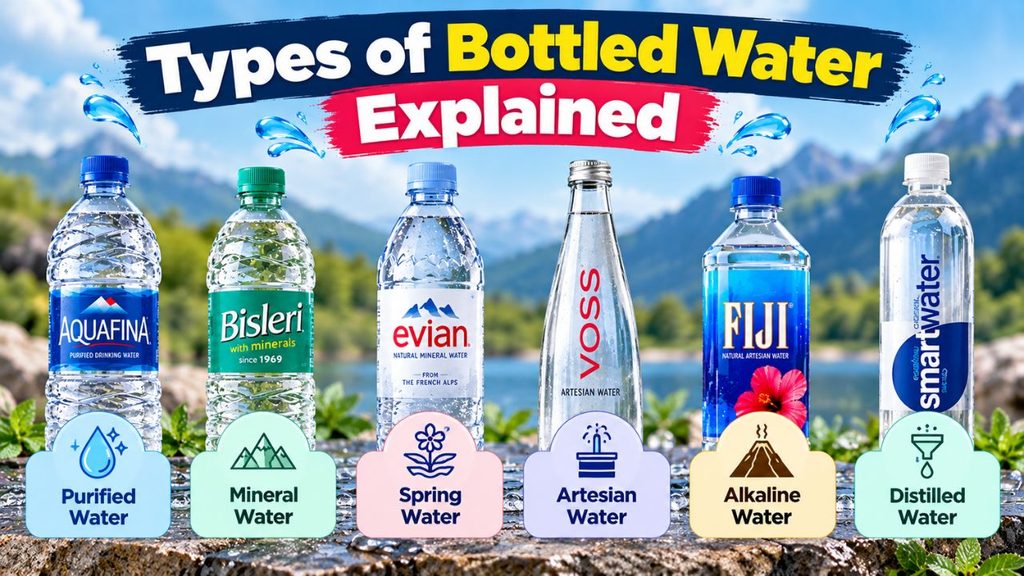
The following table lists several top selling bottled water products from various geographical regions. Product availability will vary depending on your location. Product formulas can also vary based on regional preferences.
| Water Type | Description | Main Consideration |
| Purified water | Treated to remove impurities using methods such as reverse osmosis or distillation | Check the treatment and source information on the label |
| Natural mineral water | Obtained from a protected underground source with characteristic mineral content | Mineral composition varies by source |
| Spring water | Collected from a natural spring or qualifying underground formation | Source protection and quality controls matter |
| Artesian water | Drawn from a confined aquifer under pressure | The term describes the source, not automatic superiority |
| Sparkling water | Water containing dissolved carbon dioxide | Check whether minerals, sodium, or flavorings are added |
| Alkaline water | Water with a higher pH than ordinary drinking water | Higher pH does not automatically mean greater health benefits |
In order to make an informed decision when choosing which type of bottled water will meet your requirements, it is essential that you understand the various types available.
How to Choose the Best Bottled Water
No one type of water is better than another. Both properly treated, purified water and natural mineral water that meets regulatory standards are appropriate for daily hydration.
Check Water Quality and Safety
Your number-one consideration when purchasing bottled water must be safety. Always purchase bottled water from established merchants and check for intact packaging seals; readable labels with the manufacturer’s name; batch identification; and any other applicable certifications or compliance marks.
All packaged drinking water and natural mineral water in India must comply with food safety requirements. To assess products, consumers may access FSSAI information and existing labeling rules.
Avoid bottles which leak, have damage, appear to be of unusual clarity (or lack thereof), or are stored under questionable conditions..
Compare Mineral Content
Minerals such as calcium, magnesium, sodium, and potassium can be present in water either naturally or through addition during the manufacturing process. The levels of these minerals differ greatly among different products.
If you are looking for a specific flavor, look at the mineral information found on the product label. Those individuals who must restrict their intake of sodium due to medical conditions, should pay close attention to the amount of sodium in each product and follow the instructions given by their doctor.
Drinking water is meant to help keep you hydrated and should not be used in place of eating well.
Consider Taste and Smell
People have different preferences for the way water tastes. One group of people likes to drink pure water because it does not have any other flavors added. Another group of people prefers to drink water that has been naturally filtered by minerals.
If you’re looking for the best bottled water to drink daily, purchase some smaller bottles of well-known bottled water brands and try each one. The water should not have a strange smell or taste that makes you question how good it is.
Look at Price and Availability
A premium product will often provide packaging that you like and/or a flavor that you prefer; however, a high price tag does not guarantee that the product offers more hydration or additional health benefits.
For daily consumption, evaluate the cost per liter as opposed to the cost per bottle. Bulk quantities of water can provide a more cost-effective option for families, businesses, and individuals who frequently travel; however, it must be stored properly once opened.
Check the Packaging
Plastic bottles have the advantages of being lighter weight, and more portable than other types of bottles. Glass bottles, on the other hand, are typically used when packaging higher-end products or carbonated waters.
As long as you are keeping your bottle of water out of the direct sun, as well as away from high temperatures, other chemical compounds, and very strong odors, then it will remain fresh for consumption. You should also follow the directions for storing the product that can be found on its label. If the label suggests that you should place the water in the refrigerator once it has been opened, then you should do so.
Is Bottled Water Better Than Tap Water?
The answer depends on the safety and quality of the local water supply.
| Factor | Bottled Water | Tap Water |
| Convenience | Easy to carry | Usually available at home |
| Cost | Generally more expensive per liter | Usually less expensive |
| Quality | Depends on source, treatment, packaging, and storage | Depends on the local supply and household plumbing |
| Environmental impact | Creates packaging and transportation impacts | Often has a lower packaging footprint |
| Taste | Varies by brand and mineral content | Varies by location and treatment |
| Best use | Travel, emergencies, or when a safe supply is unavailable | Everyday use where the supply is safe |
In many instances, the use of safe drinking water from the faucet can be a cost-effective option. If there are questions regarding the quality of the water being supplied locally, the use of an appropriate water treatment system or bottle water that has been appropriately regulated would be a possible alternative.
Both bottled and municipal water should not be considered safe until they have gone through quality control processes.
Health Benefits of Drinking Bottled Water
Bottled water has one major advantage: it is a source of fluids necessary for proper operation of your body. When you are adequately hydrated, you can better control your body’s temperature, move food/nutrients throughout your body, help with digestion and perform physically at a high level.
However, most of the advantages associated with safe drinking water are due to consuming an adequate amount of safe drinking water rather than selecting a high-priced brand.
In some cases, natural mineral water will contain calcium or magnesium; however, the level of each of these minerals is dependent upon the brand. Additionally, some manufacturers produce electrolyte-enhanced water. However, for most individuals, they are able to satisfy their daily hydration requirements through the consumption of plain drinking water and a balanced diet.
Alkaline waters, high-priced foreign waters, and those advertised as having extreme purity cannot necessarily be assumed to be better for you. Assertions regarding unique advantages must be assessed based upon objective scientific data.
Best Bottled Water for Different Needs
The right choice depends on how you plan to use it.
| Your Need | Suitable Option | What to Consider |
| Everyday hydration | Reputable purified or mineral water | Safety, taste, and cost |
| Office use | Convenient, regularly supplied packaged water | Storage and reliable supply |
| Travel | Sealed bottles from trusted sellers | Authenticity and safe handling |
| Gym and exercise | Still drinking water | A convenient bottle size |
| Outdoor activities | Portable bottled water | Enough water for the trip and conditions |
| Preference for carbonation | Sparkling water | Carbonation, acidity, and added ingredients |
| Lower-cost hydration | Safe tap water or economical packaged water | Local water quality and treatment |
| Preference for minerals | Natural mineral water | Actual mineral composition on the label |
For most healthy adults, standard safe drinking water will provide enough hydration during a typical day. However, if you are working out in high temperatures for extended periods of time, your fluid and electrolyte needs can vary.
Tips for Storing Bottled Water Safely
Even if you have purchased a top-of-the-line item, it needs to be treated properly. These basic steps will help keep your water clean:
- Store unopened bottles in a cool, dry place away from direct sunlight.
- Avoid leaving plastic bottles inside hot cars for extended periods.
- Check the seal and packaging before opening.
- Keep the bottle cap and drinking opening clean.
- Avoid sharing bottles when hygiene is a concern.
- Follow the label’s instructions for refrigeration and use after opening.
- Do not use single-use bottles over and over again. Select a bottle that can be used many times (reusable) and is appropriate for being refilled regularly.
- Dispose of your unused packaging properly and if possible, use a recycling program that is available in your area..
These habits help reduce contamination risks and unnecessary plastic waste.
Environmental Impact of Bottled Water
The issue of plastic waste and how it is transported to consumers should be considered before buying bottled water on a regular basis. In addition to the use of materials and energy in producing single-use packaging for the water, the disposal of these bottles may also lead to environmental issues such as pollution if they are not disposed of correctly.
If there is a supply of safe drinking water from the faucet, then you can help cut down on the amount of packaging used, as well as the ongoing expenses associated with buying bottled water, by carrying your own refillable container. When you do have to purchase packaged water, be sure to find out what the recycling regulations are in your area for disposing of the bottle, and choose the size of packaging that will use less material overall.
Convenience and safety are still relevant factors when considering a purchase, however, making a more conscious buying decision will also lower your impact on the environment.
Frequently Asked Questions
1. Which is the best bottled water for daily drinking?
The best option is a safe, properly packaged drinking water product that you enjoy and can afford. Reputable purified water and compliant natural mineral water can both be suitable for everyday hydration.
2.Is mineral water healthier than purified water?
Not necessarily. Mineral water may contain naturally occurring minerals, while purified water is treated to remove impurities. The health significance depends on the product’s composition and your overall diet.
3. Is expensive bottled water better?
No. A higher price may reflect branding, packaging, source, or transportation costs. It does not automatically indicate superior safety or health benefits.
4. Can I drink bottled water every day?
Yes, provided the product meets applicable quality standards and is stored and handled properly. You should also consider packaging waste and whether safe tap water is available.
5. Is alkaline bottled water worth buying?
Alkaline water is a personal preference for most consumers. There is insufficient strong evidence that it provides broad health advantages over ordinary safe drinking water for the general population.
6. What should I check before buying bottled water?
Check the seal, label, manufacturer details, applicable compliance information, storage conditions, and product ingredients or mineral composition where relevant.
Final Verdict
There is no need to select the most costly or highly marketed brand when selecting the ideal bottled water. Begin by assessing the safety of the product; subsequently, evaluate its flavor, mineral composition, type of container, cost, and access.
In terms of daily fluid intake, a trusted brand of purified water or compliant natural mineral water could be considered as an acceptable option. On the other hand, if there is a safe supply of tap water, then using a refillable bottle would likely provide a more budget-conscious and green alternative.
Ultimately, the best choice for you would be safe drinking water which fulfills all your requirements and can accommodate your finances while assisting with maintaining a regular drinking schedule.
Also Read: Chipotle Burrito Menu | Best Coffee Beans for Espresso
Starbucks Decaf Drinks | Cousins Maine Lobster Truck Menu With Prices